Showing posts with label Urdu. Show all posts

Thursday, November 7, 2024

Pakistan to Develop Urdu LLM for Generative AI

National University of Science and Technology (NUST), National Information Technology Board (NITB) and Telecom network operator Jazz have signed a Memorandum of Understanding (MOU) to develop Pakistan’s first indigenous Large Language Model (LLM) with focus on Urdu, including datasets for Pashto and Punjabi languages. It is aimed at empowering individuals, businesses, and organizations with advanced AI tools in their native languages. The envisioned LLM is expected to drive innovation in Generative AI applications, boosting productivity and accessibility in critical sectors like healthcare, education, and agriculture.

GPT-4 Accuracy Scores. Source: The Economist


Generative AI tools such as ChatGPT are powered by large language models, or LLMs. These models need to be trained on vast amounts of data in specific languages to be useful. Unfortunately, the Urdu content of the Internet is less than 0.1%. This will present a challenge for the developers of Urdu LLMs.

Online Content of Various Languages. Source: W3Techs 


Lack of Urdu content available for training ChatGPT affects the accuracy of the results for Urdu language users. For example, the GPT-4 accuracy score in question-answer tests in Urdu is just over 70%, compared with 85% accuracy score in the English language, according to data from OpenAI. Other South Asian languages, including Hindi, Bengali, Punjabi, Marathi and Telugu, suffer from the same problem. 

It's not just a South Asian problem. These challenges exist in the developing world. Non-European languages are generally poorly represented online. It's a major obstacle for non-European nations in developing their own generative artificial-intelligence (AI) models, which rely on vast amounts of training data. Generative artificial intelligence (AI) can produce biased results due to a number of factors, including the data it's trained on, the algorithms used, and how it's deployed. 

The use of AI in developing nations such as Pakistan will remain limited to a small number of people proficient in the use of the English language. Broadening the adoption of AI applications will require LLMs trained on local language content. The absence of this development could cost Pakistan the opportunity to take full advantage of the AI Revolution. 


Tuesday, March 28, 2023

Can British Pakistani Humza Yousaf Lead Scotland to Independence?

British Pakistani Humza Yousaf, 37, has made history. He has become the first Muslim to lead Scotland after winning the election of the Scottish National Party (SNP) to succeed Nicola Sturgeon. He is also the youngest person to be elected First Minister of Scotland. Humza's father was born in Pakistan and his mother in Kenya.  "We should all take pride in the fact that today we have sent a clear message, that your color of skin, your faith, is not a barrier to leading the country we all call home", he declared in his victory speech. Back in 2016, he took the oath as a member of the Scottish parliament in Urdu, Pakistan's national language.  Currently, there are 5 members of Pakistani origin serving in the Scottish Parliament and 29 in the British Parliament. 

Scottish Leader Humza Yousaf

Scottish Independence:

He has vowed to lead his nation to independence from Britain, now led by Prime Minister Rishi Sunak, a British Indian. Channel 4 News quoted him as saying: "we will be the next generation that delivers independence of Scotland." The people of Scotland need independence now more than ever", he added.  Here's an excerpt of his victory speech:

"To those in Scotland who don’t yet share the passion I do for independence, I will aim to earn your trust by continuing to govern well, and earn your respect as First Minister by focussing on the priorities that matter to us all, and in doing so using our devolved powers to absolute maximum effect to tackle the challenges of the day. For those of us who do believe in independence, we will only win by making the case on the doorsteps. My solemn commitment to you is that I will kickstart our grassroots, civic-led movement and ensure our drive for independence is in 5th gear". 


60% of Scots Voted Against Brexit. Source: New York Times

Scots Against Brexit:

Recent YouGov poll shows that only 39% of Scottish voters support independence, while 47% wish to remain with the United Kingdom. Can Yousaf persuade more voters to support his goal of independence? He knows that an overwhelming majority of Scots voted against Brexit. This creates an opportunity based on the economic benefits of leaving the UK to join the European Union (EU). Ireland is a good example of a small country enjoying the huge benefits of access to the large European market. Ireland is now significantly wealthier than the UK. Many big American companies have established significant presence in the  Irish Republic to gain access to the EU market. They have created jobs, increased the tax base and brought technology to the Republic of Ireland. 

British Pakistani MPs. Source: Geo News


British Pakistani MPs and Peers:

There are 15 British Pakistani members of the House of Commons, and 14 in the House of Lords, the upper house of the British Parliament, bringing the total strength of British Pakistanis in the UK parliament to 29. Most of them are from very humble backgrounds in rural Pakistan. Majority of Pakistanis in the UK are from Mirpur and its surrounding villages in Azad Kashmir. They or their parents migrated to Britain when they were given compensation by the Pakistani government for their land to make way for the building of the massive Mangla Dam after the signing of the Indus Water Treaty between India and Pakistan in 1960. Five of the twelve British Pakistani MPs in the new parliament are from Azad Kashmir.

London Mayor Sadiq Khan:

In 2016,  Sadiq Khan was elected as mayor of London, making him the first Muslim mayor of a major western capital city. Mayor Sadiq Khan is also of Pakistani-origin. Khan's father migrated to Britain in the 1960s and worked as a London bus driver. Khan comes from a family of two generations of immigrants: His grandparents migrated from what is now India to the newly created state of Pakistan in 1947 and his parents migrated from Karachi to London in 1969. Sadiq Khan was born in London in 1970.

British Pakistanis' Struggles:

While the British Pakistanis have made some headway in the public sector in their new home, they continue to face discrimination, particularly in the private sector.  A 2016 study by the government’s Social Mobility Commission found that the "children of Bangladeshi and Pakistani origin in Britain have outperformed other ethnic groups to achieve rapid improvements at every level of education, but are significantly less likely to be employed in managerial or professional jobs than their white counterparts".

The study said that the "minority ethnic pupils (including Pakistanis) are outperforming white working class children in English tests throughout school, with white British teenagers coming bottom of the pile in the subject at GCSE level".


Pakistani Doctors in the West:

Pakistani doctors make up the third largest source of practicing physicians and surgeons in the United States.  Pakistan is also the second largest source of doctors of foreign origin serving in the United Kingdom, according to OECD. Indians make up 34% of the foreign doctors in Britain, followed by 11% from Pakistan.

Here's a video of Humza Yousaf taking oath as member of Scottish Parliament in Urdu:

https://youtu.be/NE_J8wzo6ko


Related Links:

Haq's Musings

South Asia Investor Review

Upwardly Mobile Pakistani-Americans

Pakistani Diaspora

British Pakistanis

London Mayor Sadiq Khan

British Pakistani Singer Zayn

Pakistan 3rd Largest Source of Foreign Doctors in America

Pakistanis Make Up Largest Foreign-Born Muslim Group in Silicon Valley

Pakistanis in Silicon Valley

Massive Show of Support for Silicon Valley Muslims After Trump Ban

Riaz Haq's Youtube Channel

PakAlumni Social Network


Tuesday, December 27, 2022

Today's Pakistan: Conservative or Progressive?

Pakistan is often portrayed in the international media, particularly the western media, as a highly tradition-bound conservative society dominated by Taliban sympathizers.  Fatima Bhutto, a granddaughter of former Pakistani Prime Minister Zulfikar Ali Bhutto, offers evidence to suggest otherwise. 

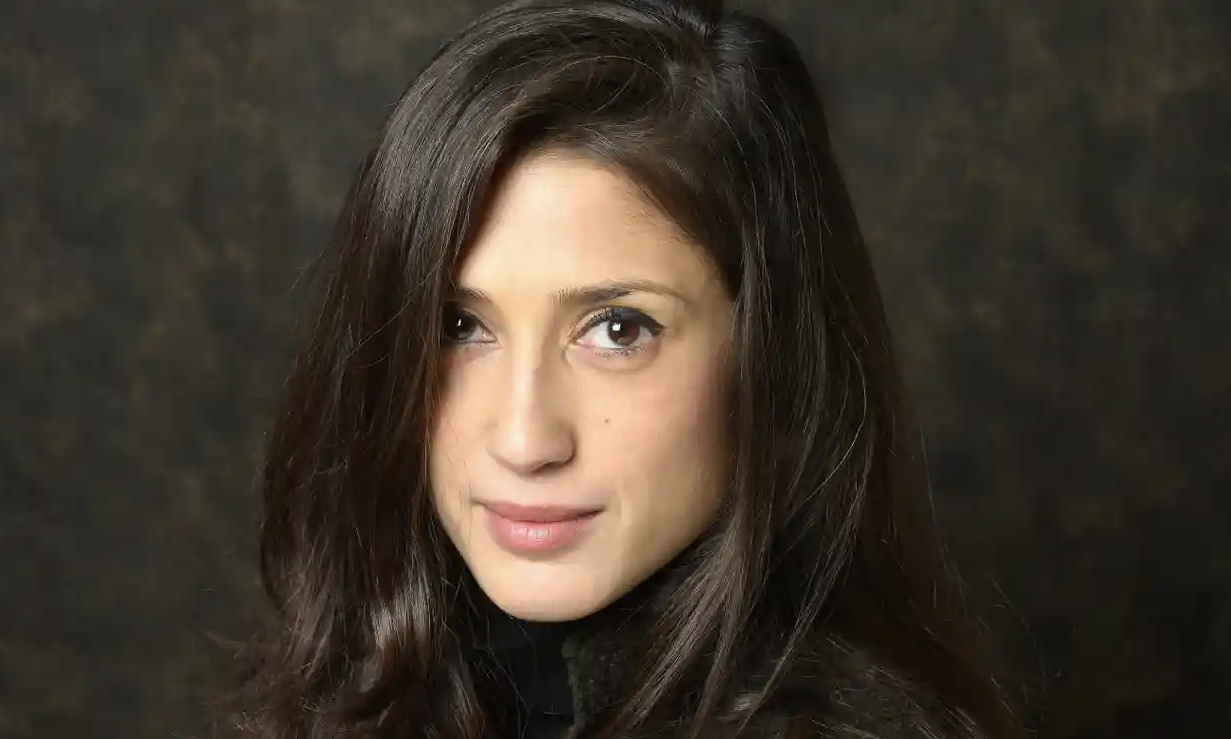
Fatima Bhutto


In  a recent Op Ed published in The Guardian titled "Superheroes, jazz, queer art: how Pakistan’s transgressive pop culture went global", Fatima Bhutto offers recent examples of the Pakistani pop culture going global. In particular, she cites television series Ms. Marvel, feature film Joyland, Grammy winning Urdu singer Arooj Aftab, world-famous qawwali singers Nusrat Fateh Ali Khan and Abida Parveen, celebrated artists Shazia Sikandar and Salman Toor,  and novelists like Mohammad Hanif, the author of "A Case of Exploding Mangoes". 

Fatima talks about the history of the ongoing struggle between the conservatives and the progressives that dates back to the nation's independence in 1947. She also contrasts Pakistan with India: "Though Bollywood films from earlier decades addressed injustice, feudalism and political oppression, today the industry is little more than a mouthpiece for India’s quasi-fascist rightwing government, obsessed with spit-shining the image of its prime minister, Narendra Modi". Below are a some excepts of Fatima Bhutto's Op Ed:

1. "Even though the film (Joyland) was...subject to various bans in Pakistan, after being accused of pushing an LGBTQ+ agenda and misrepresenting Pakistani culture, it finally appeared in Pakistani cinemas in November, with Malala Yousafzai signing on as executive producer".  Note: Joyland was the first Pakistani film to be screened at the prestigious Cannes Film Festival where "it won the Un Certain Regard prize, receiving a standing ovation nearly 10 minutes long".   

2. "Ms Marvel follows Kamala Khan, whose parents, formerly of Karachi and now of New Jersey, are not caricatures of immigrant parents, but droll and charming, embarrassing in the way all parents are while their young daughter suffers the indignities of teenagers everywhere. The writing team knows only too well the codes and ciphers of Pakistani life and have seamlessly blended them into this Disney tale. Kamala has a brother who prays constantly (every Pakistani family has one resident fundamentalist), her father quotes poetry at the dinner table and Nakia, her hijab-wearing best friend, has her shoes stolen at the mosque – a timeless rite of passage for all mosque-going Muslims". 

3. "In the past few months, the contemporary Pakistani artists Shahzia Sikander and Salman Toor have been glowingly profiled in the New Yorker; Toor’s Four Friends recently sold at a Sotheby’s auction for $1.2m (£0.99m). His paintings are celebrated for their depictions of queer intimacy, and reimaginings of classical masterpieces from Caravaggio to Édouard Manet. “My immediate reaction was that this artist could paint anything and make me believe in it,” wrote the New Yorker’s Calvin Tomkins".

4. "Pakistanis have always understood their heritage to be culturally rich and transgressive: from the romance of the Urdu language, spoken by poets and in royal courts, to qawwali singers as diverse as Nusrat Fateh Ali Khan and Abida Parveen, to television dramas and literature. Artists such as Iqbal Bano sang songs against dictators and shows on state television satirized military juntas with jokes so sophisticated that even army censors couldn’t catch them. In 1969, Pakistan state television aired Khuda Ki Basti, or God’s Own Land, a series set in a Karachi slum in the tumultuous days after independence, from a classic Urdu novel. To ensure that the drama was faithful to the novel, Pakistan state television convened a board of intellectuals to oversee the scripts, including Faiz Ahmed Faiz, one of the country’s most beloved poets". 

5. “We’ve been having a really hard time in a post-9/11 world,” says the Brooklyn-based Arooj Aftab, the first Pakistani musician to win a Grammy, taking home the 2022 award for best global music performance. Aftab’s album Vulture Prince reimagines traditional ghazals, melancholic love poems born out of Arabic and Persian literary traditions. “There’s been a significant amount of Islamophobia and a lot of bad marketing towards Pakistan in general – associations with terrorism and pain and Afghanistan-adjacent confusion – while the narrative around a lot of other south Asian countries is like ‘Oh my God! Beauty! Exotic landscapes! Yoga!’ And the west loves that shit.”

Related Links:

Haq's Musings

South Asia Investor Review

Pakistani-American Gay Physicist Nergis Mavalvala

Emmy Winning British Pakistani Riz Ahmed

History of South Asians in America

HBO Comedy "Silicon Valley" Stars Pakistani-American

Pakistanis Make Up Largest Foreign-Born Muslim Group in Silicon Valley

Karachi to Hollywood: Triple Oscar Winning Pakistani-American

Burka Avenger: Pakistani Female Superhero 

Pakistani-American Grammy Winning Urdu Singer Arooj Aftab

Pakistani-American Leads NYC Gay Parade

Pakistani-American Shahid Khan Richest South Asian in America

Ms. Marvel: Pakistani-American Girl Superhero

Pakistani-American Author-Journalist Raza Rumi in Silicon Valley

Minorities Are Majority in Silicon Valley 

Pakistani-American Population Growth Second Fastest Among Asian-Americans

The Big Sick

Pakistani-American Diaspora Thriving in America

British Pakistani Singer Zayn Malik


Sunday, April 3, 2022

Pakistani-American Urdu Singer Arooj Aftab Wins Grammy For "Mohabbat"

Pakistani-American singer Arooj Aftab's rendition of “Mohabbat” won the prize for Best Global Music Performance at the 2022 Grammys. The Brooklyn based singer won the category ahead of Femi Kuti (“Pà Pá Pà”), Wizkid and Tems (“Essence”), Angélique Kidjo and Burna Boy (“Do Yourself”) and Yo-Yo Ma and Angélique Kidjo (“Blewu”).  

The lyrics of "Mohabbat", part of her album "Vulture Prince", go like this: "mohabbat karne vaale kam na hoñge/ tirī mahfil meñ lekin ham na hoñge ". It is a ghazal originally written by Hafeez Hoshiarpuri. 

محبت کرانیوالی کم نا ہونگے
تیری محفل میں لیکن ہَم نا ہونگے
محبت کرانیوالی کم نا ہونگے
زمانے بھر كے غم یا اک تیرا غم
یہ غم ہو گا تو کتنے غم نا ہونگے

Pakistani-American Urdu Singer Arooj Aftab Wins Grammy. Source: Yahoo News

“I think I’m gonna faint. Wow thank you so much. I feel like this category in and of itself has been so insane,” Arooj said, accepting her award at the Grammy Award 2022 show in Las Vegas, Nevada. “Burna Boy, Wizkid, Femi Kuti, Angélique Kidjo—should this be called Best World Music Performance? I feel like it should be called ‘yacht party category.’ But, anyway, thank you so much to everyone who helped me make this record, all my incredible collaborators, for following me and making this music I made about everything that broke me and put me back together. Thank you for listening to it and making it yours.” 

Arooj Aftab was born in Saudi Arabia, raised in Lahore and now lives in the United States. After an early taste of viral fame with a tender cover of Leonard Cohen’s Hallelujah when she was in her teens, she won a scholarship to attend Boston’s Berklee College of Music, ranked among the top music schools in the United States.  She earned a degree in music production and engineering at Berklee. Graduating in the throes of the 2008 recession, she landed in New York to begin her career, according to The Guardian newspaper. 

Arooj sings mostly in Urdu. Her lyrics come from centuries-old poetry. Her music draws from seemingly everywhere. She brings in non-traditional instruments like synthesizer and lever harp to a traditional South Asian poetic form like the ghazal. She's even given her style its own name: neo-Sufi, according to an interview with the PBS.  "It's not South Asian classical music with — like fused with jazz. It's like it's living in its own world of, like, a marriage of many roots and heritages. So I was kind of like, I need to, like, name this right now, you know?"

Here's Arooj Aftab's rendition of "Mohabbat":

https://youtu.be/iRZ98HX1MO8


Friday, September 21, 2018

Nastaliq Fonts and Islamic Ligatures Supported on New iPhone XS and XS Max

Apple's iPhone XS and XS Max with iOS 12 went on sale at stores across the United States today Sept 21, 2018.

Silicon-Valley based Pakistani-American Mudassir Azeemi was among the first to check out the new Urdu support features in Apple iOS 12 that came with the new iPhones. Mudassir has been working with both Apple and Google mobile operating systems to support Nastaliq Urdu fonts and Islamic ligatures such as ﷲ and ﷺ  on their smartphones.

Here's what he reported yesterday:

"When I was filing bugs related to #Urdu and #Nastaleeq (about to be implemented) on iOS Devices in

2015. I requested Apple to include the word ligature. That ligature is calligraphic version of salutation on Prophet Muhammad Peace Be Upon Him ﷺ and proper display of word Allah ﷲ. Guess what? It’s there! I just came to know about it today. I feel that Apple is the only company that really listen to you and make sure a superb experience for its customer. ﷲ ﷺ There are few more added : Alayhe Assallam ؑ, shorter version of Sallallahou Alayhe Wassallam ؐ, Rahmatullah Alayhe ؒ and Radi Allahou Anhu ؓ. PS: This is introduced in iOS 12. I just verified it."


History of Nastaliq on Apple:

It all started when Apple included nastaliq font in iOS 9 Beta 1 after a persistent campaign by Mudassir Azeemi. Unfortunately, it was later dropped in the released version of iOS X.  But Mudassir continued his efforts which bore fruit with iOS 11.  Apple has since dropped naskh in default mode and support only nastaliq in native mode for rendering Arabic, Persian and Urdu languages.

Naskh vs Nastaliq:

Apple today supports naskh font which are used for Arabic, Persian and Urdu. Most Urdu lovers, however, prefer the beauty of nastaliq font. Here's how South Asian writer Ali Eteraz describes the two fonts:

"Looking at the (rendering of the two fonts), the discerning eye may immediately realize why naskh trumps nastaliq on digital devices. With its straightness and angularity, naskh is simply easier to code, because unlike nastaliq, it doesn’t move vertically and doesn’t have dots adhering to a strict pattern. And we all know how techies opt for functionality. Utility being the mother of expansion, naskh is quickly phasing out nastaliq on the web. BBC-Urdu and Urdu Voice of America both use naskh; so does Alarabiya Urdu. And if you want to write an SMS in nastaliq, you must use naskh as well. Same holds true for social media: Facebook, naskh; Twitter, naskh; blogs, naskh."

Use of Image Files:

Nastaliq lovers like Pakistan's Jang Media Group and others have not given up on their preferred script. Instead of using naskh, they have resorted to using uploaded image files for publishing content on their websites.

Other Platforms:

Unfortunately, none of the other operating systems support nastaliq in native mode yet. They all support naskh which is becoming the dominant font for Urdu along with Arabic and Persian. However, Mudassir Azeemi believes that Apple's decision to only support nastaliq in native mode will influence all operating system vendors and social media apps like twitter and Facebook to start using nastaliq as default for Urdu.

Summary:

Apple iOS 12 operating system that came installed with the new iPhones supports Nastaliq Urdu fonts and Islamic ligatureApple's decision to drop naskh and include nastaliq as the default font for Urdu, Arabic and Persian is likely to have a major impact on all operating systems and social media platforms. It's welcome news for Urdu lovers like Ali Eteraz and Mudassir Azeemi who have been deeply unhappy with what they describe as "the death of the Urdu script".

Related Links:

Haq's Musings

Saving Urdu in its Birthplace

Smartphones to Close Digital Divide in Pakistan

Pakistan Mobile Broadband Speeds Fastest in South Asia

Pakistani-American Foundation Releases Khan Academy's Videos in Urdu

Cemendtaur's Book Launch at Urdu Academy in Silicon Valley

US Mining Urdu Content on Facebook, Twitter

Sesame Street Adapted For Pakistan in Urdu

Riaz Haq's Youtube Channel

Tuesday, April 24, 2018

Pakistani Film Cake Breaks Sindhi Stereotypes

Pakistani movie "Cake" is a Sindhi family drama set in Karachi and rural Sindh.  I had the chance to see it on a Silicon Valley theater screen in California.

Cake is nothing like the usual Bollywood fare featuring an "item song" included in a series of song-and-dance sequences. It tells a story accompanied with a great soundtrack showcasing the classic Sindhi poetry of Shah Abdul Latif Bhitai and Shaikh Ayaz, some of it sung by Allan Fakir in his mournful voice.

Directed by Asim Abbasi, the movie has an interesting plot and it tells a good story. What makes its  plot especially relevant to the Pakistani diaspora is that it involves a theme familiar to them: Ailing elderly parents  (Jamalis ably played by Mohammad Ahmed and Beo Raana Zafar) in Pakistan with two of their three children living overseas. It also defies the stereotypical depiction of patriarchal Sindhi men as cruel landlords oppressing their women and peasants.

At the center of the story is Zareen (Aamina Sheikh) who takes care of her aging parents in Karachi and their land in rural Sindh. She is joined by her sister Zara (Sanam Saeed) from London when their elderly parents' health suddenly deteriorates.  Many long unresolved family issues come to the surface as they spend time together.  Some of the issues are triggered by the arrival of Christian nurse Romeo (Adnan Malik) who helps the sisters in providing care to their parents.

Except for a few sentences spoken in Sindhi by Aamina Sheikh, the rest of the movie features Urdu as the primary language spoken by the main characters in the movie. It shows how widely Urdu has been embraced by all ethnic groups as the lingua franca binding Pakistanis together as a nation.

Cake is a well-made and beautiful movie featuring great acting talent that breaks old stereotypes. It is yet another confirmation of the renaissance that the Pakistani cinema has seen in the last decade.

Related Links:

Haq's Musings

South Asia Investment Review

Bollywood Revenue in Sharp Decline

Bollywood Eyes Pakistan Market

Peepli Live Destroys Indian Myths

Bollywood-Hollywood Combos

Indian Bollywood Seeks Cultural Dominance

US Mortgage Fraud Funded Bollywood Movie


Tuesday, September 12, 2017

Apple iOS 11 Supports Nastaliq as Default Font for Urdu

Apple today announced iPhone 8, iPhone 8 Plus and a $1000 iPhone X today, the 10th anniversary of the first iPhone launch, at its new Spaceship-shaped headquarter in Silicon Valley.  iOS 11operating system is also being launched along with the new hardware to support many advanced new features for face identification, wireless charging and augmented reality (AR).  In addition, the OS 11 will include nastaleeq font that is popular with Urdu publishers in Pakistan, according to Silicon Valley based Urdu lover and Nastaliq campaigner Mudassir Azeemi.

History of Nastaliq on Apple:

Apple did include nastaliq font in iOS 9 Beta 1 after a persistent campaign by Mudassir Azeemi. Unfortunately, it was later dropped in the released version of iOS X.  But Mudassir continued his efforts which appear to have born fruit with iOS 11 being released this month. Apple will now drop naskh and support only nastaliq in native mode for rendering Arabic, Persian and Urdu languages.


Naskh vs Nastaliq:

Apple today supports naskh font which are used for Arabic, Persian and Urdu. Most Urdu lovers, however, prefer the beauty of nastaliq font. Here's how South Asian writer Ali Eteraz describes the two fonts:

"Looking at the (rendering of the two fonts), the discerning eye may immediately realize why naskh trumps nastaliq on digital devices. With its straightness and angularity, naskh is simply easier to code, because unlike nastaliq, it doesn’t move vertically and doesn’t have dots adhering to a strict pattern. And we all know how techies opt for functionality. Utility being the mother of expansion, naskh is quickly phasing out nastaliq on the web. BBC-Urdu and Urdu Voice of America both use naskh; so does Alarabiya Urdu. And if you want to write an SMS in nastaliq, you must use naskh as well. Same holds true for social media: Facebook, naskh; Twitter, naskh; blogs, naskh."

Use of Image Files:

Nastaliq lovers like Pakistan's Jang Media Group and others have not given up on their preferred script. Instead of using naskh, they have resorted to using uploaded image files for publishing content on their websites.

Other Platforms:

Unfortunately, none of the other operating systems support nastaliq in native mode yet. They all support naskh which is becoming the dominant font for Urdu along with Arabic and Persian. However, Mudassir Azeemi believes that Apple's decision to only support nastaliq in native mode will influence all operating system vendors and social media apps like twitter and Facebook to start using nastaliq as default for Urdu.

Summary:

Apple's decision to drop naskh and include nastaliq as the default font for Urdu, Arabic and Persian is likely to have a major impact on all operating systems and social media platforms. It's welcome news for Urdu lovers like Ali Eteraz and Mudassir Azeemi who have been deeply unhappy with what they describe as "the death of the Urdu script".

Related Links:

Haq's Musings

Saving Urdu in its Birthplace

Pakistani-American Foundation Releases Khan Academy's Videos in Urdu

Cemendtaur's Book Launch at Urdu Academy in Silicon Valley

US Mining Urdu Content on Facebook, Twitter

Sesame Street Adapted For Pakistan in Urdu

Riaz Haq's Youtube Channel

Tuesday, January 17, 2017

Cemendtaur's Latest Travelogue "Ulat Dunya Kee Sair" Launched at Urdu Academy in Silicon Valley

"Ulat Dunya Kee Sair", my friend Ali Hasan Cemendtaur's latest travelogue written in Urdu, was launched on January 15, 2017 at an event organized by Urdu Academy of North America, a Silicon Valley-based group dedicated to the preservation and promotion of Urdu language in the United States and Canada. The travelogue tells the story the author's travels to the world Down Under (appropriately translated by the author in Urdu as "Ulat Dunya), specifically three southern hemisphere nations of Australia, New Zealand and Fiji. It is available on Amazon.com.

Riaz Haq Speaking at the Event


The event was chaired by Khwaja Ashraf sahab, a published Urdu writer in his own right, and attended by many local Urdu lovers hailing originally from South Asia. It was emceed by Arshad Rashid sahab who, along with Tashee Zaheer sahab, runs Urdu Academy.  Other presenters included Kausar Syed sahiba, Mariam Turab sahiba and Riaz Haq.   The program concluded with Ali Hasan Cemendtaur's hilarious and self-deprecating roast of his own writing that he called "Apni Gheebat".  Please follow the embedded links or search Youtube for the individual names to find and watch the presentations.

Ulat Dunya Kee Sair Book Cover


In his presentation, Riaz Haq said "the history is often referred to as "His Story", a description acknowledging the fact that the history writer's worldview influences his or her work. This reality applies to travelogues as well".

Kausar Syed Reading Excepts of Ulat Dunya Kee Sair


We are used to reading world travel accounts written by western travelers; Ali Hasan Cemendtaur's travelogues, written in English or Urdu, are rare exceptions as they get the reader to see the world through the eyes of a Pakistani traveler.

Marian Turab's Commenting on Ulat Dunya Kee Sair


"The Green Ibn Battuta",  the title of Cemendtaur's last travelogue launched last year is a tribute to Ibn Battuta, the 14th century Muslim traveler from North Africa who wrote extensively about his travels of much of the known world at the time. Ali's Ibn Battuta covers his travels starting in 1990s. The fact that Cemendtaur's access to modern transportation enabled him to to see a lot more of the world in a relatively short time than Ibn Battuta did would make the 14th century traveler green with envy; hence the title "Green Ibn Battuta".

Ali Hasan Cemendtaur's Self Roast


Ali's Pakistani-ness drove his curiosity to visit Multan Karavansarai in Baku, Azerbaijan., where he discovered old trade ties between the Pakistani city of Multan and the Central Asia region dating back to the 15th century.


Cemendtaur's Pakistani origin compelled his interest in The Caucasus (Koh Qaaf), the mountainous region 1,000 by 600 kms in size that lies between the Black Sea and the Caspian Sea, where Azerbaijan is located. Koh Qaaf (Caucasus mountain) is associated with many fairytales that Pakistani children have grown up with. Dastaan e Amir Hamza is an Urdu collection of fairytales from Koh Qaf that continues to fascinate Pakistanis to this day. The Caucasian label, the US official race classification for American whites, traces the origin of all white Europeans to the Caucasus region. Harvard genetic studies have confirmed that the ancestors of many Ancestral North Indians and Pakistanis came from this region.

In "Ulat Dunya Kee Sair", Cemendtaur's interest in South Asian language shows through in his impressions of the spoken in Fiji by people of South Asian origin who speak a variant of Hindi but switch to "Bollywood Hindi" when conversing with Urdu or Hindi speaking visitors.


Cemendtaur writes about dealing with what he thought was "gutter smell" in Rotorua, New Zealand, and expresses his shock that a developed nation like New Zealand could have the kind of stink more common in developing nations of South Asia n areas with open sewers.  He soon finds out that it was the smell of hydrogen sulfide emanating from sulfur-laden water from hot springs in the area.

 The author also notices that, unlike Australia where most immigrants are Chinese, the immigrants from South Asia are more visible in New Zealand.  Apparently, there are many Punjabi farmers in dairy business who have been living there since the days of the British Raj.

Cemendtaur finds a Hazara town in Sydney with many Hazara Shias from Pakistan who have fled sectarian conflict to find safety in Australia.  Upon research, he finds that human smugglers provide this service for a substantial fee by flying Hazaras to Sri Lanka,  then arranging visas to Indonesia from where they are put on boats to Australia.

Riaz Haq concluded his presentation by recommending "Ulat Dunya Kee Sair" as a well-written Urdu travelogue "filled with entertaining anecdotes and insightful observations about many exotic places and interesting cultures. It is written in an easy to read and highly engaging style that will keep you absorbed and make you finish it in one sitting once you start reading it."

The event concluded with a very self-deprecating and humorous monologue by Ali Hasan Cemendtaur that reminded the audience of Zia Mohyeddin's reading of Mushtaq Yusufi's work.

Here are a couple of video clips of the event:

https://youtu.be/PQDyq3Q6rKc


https://youtu.be/d7nylUVYad0


Related Links:

Haq's Musings

My Footloose Friend Ali Cemendtaur

Silicon Valley NEDians

Silicon Valley Pakistanis

Silicon Valley Launch of Eating Grass: The Making of the Pakistani Bomb

Explosion of Art and Culture in Pakistan

Talk4Pak Think Tank

VPOS Youtube Channel

VPOS Vimeo Channel


Friday, April 25, 2014

Pakistani-American Foundation Releases 1700 Khan Academy Urdu Tutorials

Guest Post by Ali H. Cemendtaur

Koshish Foundation, a Silicon-Valley based non-profit corporation (Chairman, Suhail Akbar) with a strong presence in Pakistan where it works on education-related projects, has announced the completion of over 1700 math and basic science videos that are Urdu translations of the Khan Academy tutorials. These math and basic science videos can enable students learn Grade 3 to Grade 12 level math, chemistry, physics, and biology in Urdu.

Funding for the video translation work was provided by renowned Pakistani-American technologist and philanthropist Safi Qureshey, with Bilal Musharraf, Khan Academy’s Dean of Translations, acting as the liaison between Safi Qureshey and the Koshish Foundation. Safi Qureshey rose to fame in 1992 when AST, a computer company in California he co-founded with two partners, entered the list of Fortune 500 companies. Qureshey was the first Pakistani to walk the path of entrepreneurship in computer technology in the US, and he was the pride of his country of birth. Pakistanis in general and Karachiites in particular took Qureshey’s international success with teary-eyed pride.
Source: AppAppeal as of April 10, 2014. Note: Youtube is blocked in Pakistan

This scribe remembers seeing billboards with Safi Qureshey’s picture along Shahrah-e-Faisal in Karachi. Qureshey has definitely been an inspiration in one way or another for today’s large pool of Pakistani Americans starting up their own businesses, putting hard work in them, and taking them to success. Safi Qureshey realizes the importance of education and has been helping out people and institutions focusing on primary education in Pakistan. Muhammad Mahboob Akhter, a long term associate of Safi Qureshey, helps Qureshey in identifying and supporting education causes. In 2000-2001 Safi Qureshey provided funds for educational TV program ‘Khul Ja Sim Sim’ (popular US "Sesame Street" shows localized in Urdu for young TV viewers in Pakistan).

Koshish Foundation’s Urdu translation work of the Khan Academy videos—funded by Safi Qureshey--is being done by two top-notch translators in Karachi: Aleem Ahmed of the Global Science magazine and Zeeshan Hyder. Currently there is a ban on YouTube in Pakistan. Since the original Khan Academy videos and their Urdu translations are hosted at YouTube, very few students in Pakistan can access this educational resource. (A few Urdu videos are available on Dailymotion).  Even when access to YouTube is restored in Pakistan, a large number of students not connected to the Internet will not be able to reach these educational videos.

Koshish Foundation views a different way its work will be utilized in Pakistan. Koshish sees non-profit organizations and conscientious citizens downloading this material on their computers and using it to run their own schools with minimum operating expenses. All they need will be a classroom, a computer with downloaded videos on it, and a projector; a chaperone can oversee the students and the learning process. When better resources are available students can be given computers to do related practice exercises.

Ali Hasan Cemendtaur, the author of this post, is a Silicon Valley blogger and writer. Ali appears with me on the weekly Viewpoint From Overseas show recorded in Silicon Valley. Ali has been instrumental in Microsoft's support of Urdu fonts on Microsoft Word, and he is currently managing Urdu translations of videos at Khan Academy. Ali is a friend and a fellow NED University alumnus. 

Here's an example of Khan Academy Urdu video:


20-Solving equations and inequalities through... by khanacademyurdu
Related Links:

Haq's Musings

Khan Academy Draws Pakistani Visitors

Silicon Valley NEDians Digitize Pak School Lessons 

Khan Academy Urdu Channel on Dailymotion

Khan Academy Urdu Channel on Youtube

HBO Comedy "Silicon Valley" Stars Pakistani-American

Burka Avenger: Pakistani Female Superhero 

Burka Avenger  Videos on Vimeo Channel

UN Malala Day

Pakistan's Cowardly Politicians

Pakistani-American Ashar Aziz's Fireeye Goes Public

Pakistani-American Shahid Khan Richest South Asian in America

Two Pakistani-American Silicon Valley Techs Among Top 5 VC Deals

Pakistani-American's Game-Changing Vision 

Minorities Are Majority in Silicon Valley 

US Promoting Venture Capital & Private Equity in Pakistan

Pakistani-American Population Growth Second Fastest Among Asian-Americans

Edible Arrangements: Pakistani-American's Success Story

Pakistani-American Elected Mayor

Upwardly Mobile Pakistan


Wednesday, March 14, 2012

Khan Academy Draws Pakistani Visitors

The revolutionary Khan Academy is a brainchild of Bangladeshi-American Salman Khan. It is growing in popularity among Pakistanis wishing to take advantage of "Free World Class Education" offered online via short 10-15 minute videos. The subjects range from math, physics, chemistry and biology to astronomy, history, economics, finance, engineering and medicine. Khan counts Microsoft founder Bill Gates among his fans and students. Gates has described Sal Khan as his favorite teacher, and Gates Foundation has provided funding to enable Khan Academy to grow.


Former hedge fund analyst known as Sal Khan in Silicon Valley, the Academy founder has an MBA from Harvard Business School and three Bachelors degrees in Math, Electrical Engineering, and Computer Science from MIT. Here's how Khan explains on his website why he decided to become a teacher to the world: “A lot of my own educational experience was spent frustrated with how information was conveyed in textbooks and lectures. I felt like fascinating and intuitive concepts were almost intentionally being butchered into pages and pages of sleep-inducing text and monotonic, scripted lectures.”

The number of unique visitors to Khan Academy has grown fourfold from about a million a month in 2010 to 4 million in December, 2011. Bulk of the hits to the educational website still come from the United States, but the latest Alexa traffic data shows that Pakistan is among a handful of countries (shown in green on the map) which are bringing a growing number of learners to it.


Khan's ties to Pakistan go beyond Pakistani visitors to his online academy; his wife is from Karachi, and the man in charge of translating Khan's videos to Urdu and other foreign languages is former Pakistani president's son Bilal Musharraf who lives in Silicon Valley.

Pakistan is ranked fourth in the world for expansion in broadband Internet access which is fueling growth in traffic to video sites like Khan Academy. Planned Urdu translations of video tutorials will only add to the already increasing traffic.

Bilal Musharraf told Pakistan's Dawn newspaper that the goal is to have 1000 videos ready in 10 different languages in a year or two. And the project is mostly volunteer-driven. Khan academy offers best practices of “how-to-dub or re-do Sal’s existing videos, and volunteers take it from there. At present, someone in Japan is working on an Indonesian playlist and engineering students in Saudi Arabia are working on an Arabic playlist. In a matter of months, hundreds of videos have already been translated. You can now learn the Khan way in Spanish, Portuguese, Russian, Arabic, Bengali, Cantonese, French, German, Hindi, Indonesian, Japanese, Korean, Mandarin, Polish, Sinhalese, Tamil, Thai and Urdu.

Sal Khan's efforts are reinventing education and making quality teaching accessible to global population of students everywhere, including developing nations like Pakistan. One example of innovation inspired by Khan can be seen at Los Altos schools in Silicon Valley, CA, as shown by a recent CBS 60 Minutes segment.

"There are no textbooks and no teacher lecturing at the blackboard. Instead, students watch Khan videos at home the night before to learn a concept, then they come to class the next day and do problem sets called "modules," to make sure they understand. If they get stuck they can get one-on-one help from the teacher. Less lecturing, more interaction. What you think of as homework you do at school, and school work you do at home. It's called "flipping the classroom"..."

While anyone can benefit by watching Khan Academy video tutorials online any time and anywhere, it's also important to integrate Khan's video lessons as part of the classrooms learning in a way that is currently being piloted by Los Altos schools.

Here's a video clip from Khan Academy in Urdu:


Related Links:

Haq's Musings

Pakistan Rolls Out 50Mbps Broadband Service

More Pakistan Students Studying Abroad

Inquiry Based Learning in Pakistan

Mobile Internet in South Asia

Allama Iqbal Open University

Online Courses at Top International Universities

Pakistan Virtual University

Pasi Sahlberg on why Finland leads the world in education

Intellectual Wealth of Nations

Pakistan Primary Education Crisis

Indian Students' Poor Performance on PISA and TIMSS

Pakistan's Demographic Dividend

India Shining, Bharat Drowning

PISA's Scores 2011

Teaching Facts versus Reasoning

Poor Quality of Education in South Asia

Infections Cause Low IQs in South Asia, Africa?

CNN's Fixing Education in America-Fareed Zakaria

Peepli Live Destroys Western Myths About India

PISA 2009Plus Results Report

Sunday, April 10, 2011

US Mining Urdu Content on Facebook and Twitter?

Why does the US government love social media and hate Wikileaks?

The answer is simple: Unlike Wikileaks that reveals unflattering information about its inner workings, the US government sees a treasure trove of detailed data on Facebook, twitter, blogs and other social media...particularly in Urdu and Arabic in light of recent developments in the Middle East and South Asia.


All of the stuff on digital social networks can be a great source of knowledge about user data and sentiments that governments and corporations love to exploit. It can be used not only to gather valuable intelligence for better product marketing and effective government propaganda, but also to tweak policies and offer products and services through crowd-sourcing to achieve desired outcomes.

The real challenge is how to make sense of the vast amount of information, discern meaningful patterns and use it as guide for action. The current application programming interfaces (APIs) and tools for social media monitoring and analysis are still evolving. The current tools focus mainly on sentiment analysis, giving governments and companies a general sense at best.

Among the various researchers tackling the challenge is an Indian-American computer scientist Rohini Srihari. She is working under a US grant to help mine and decipher data from Urdu social media. Her company, called Janya Inc., gets funding from the Pentagon for the project.

In a recent interview with NPR Radio, Srihari explained: "What I want is to determine who are the people, places and things being talked about; Is there an opinion being expressed? Is it a positive or negative opinion being expressed?"

If the ongoing social media data mining research efforts do succeed, the rich and powerful corporations and governments will be further strengthened to manipulate the opinions and preferences of the average consumers and voters. Such an outcome could lead to people being influenced to act against their own best self-interest in the name of freedom and democracy.

Here's a video clip titled "Urdu Enters the Digital Age" featuring Srihari explaining how her software works:


Related Links:

Haq's Musings

Obama's Success With Social Media

Obama on Urdu Poetry, Cricket, Daal, Keema

Case Against Wikileaks' Assange

PakAlumni-Pakistani Social Network

Media and Telecom Revolution in Pakistan

Pakistan's Telecom Boom

Pakistan Tops Text Message Growth

WiMax Rollout in Pakistan

Sunday, June 21, 2009

Obama on Pakistan, Urdu Poetry, Cricket, Daal, Keema


President Barack Hussein Obama has had close connections with Muslims and Pakistanis. For example, his father was a Kenyan Muslim and his stepfather was an Indonesian Muslim. Obama also had Pakistani roommates during college days, with whom he visited Pakistan.

According to his staff, Mr. Obama visited Pakistan in 1981, on the way back from Indonesia, where his mother and half-sister, Maya Soetoro-Ng, were living. He spent “about three weeks” there, Mr. Obama’s press secretary, Bill Burton, said, staying in Karachi with the family of a college friend, Mohammed Hasan Chandoo, but also traveling to Hyderabad, according to the New York Times.

The NY Times report says that Mr. Obama appears not to have mentioned his travel in Pakistan in speeches during the campaign. In “Dreams from My Father,” he talks of having a Pakistani roommate when he moved to New York, a man he calls Sadik who “had overstayed his tourist visa and now made a living in New York’s high-turnover, illegal immigrant work force, waiting on tables.”

Mr. Obama, his staff and his publisher have not provided any details about the identity of Sadik, according to the Times report.

During his years at Occidental College, Mr. Obama also befriended Wahid Hamid, a fellow student who was an immigrant from Pakistan and traveled with Mr. Obama there, the Obama campaign said. Mr. Hamid is now a vice president at Pepsico in New York, and according to public records, has donated the maximum $2,300 to the Obama campaign and is listed as a fund-raiser for it.

Mr. Chandoo is now a self-employed financial consultant, living in Armonk, N.Y. He has also donated the maximum, $2,300, to Mr. Obama’s primary campaign and an additional $309 for the general election, campaign finance records show.

Here is a Dawn report on an exclusive interview President Obama granted to Anwar Iqbal of Pakistani newspaper Dawn:

WASHINGTON, June 20: US President Barack Obama, in an exclusive interview to Dawn, has said that he believes the Pakistani state is strong enough to win the military offensive against the extremists.

In this first-ever one-on-one interview by any US president to the Pakistani media, Mr Obama assured the Pakistani nation that he has no desire to seize Pakistan’s nuclear weapons or send US troops inside the country.

The US president also emphasized the need for resuming the dialogue process between India and Pakistan, which was stalled after the Mumbai terrorist attacks in November last year.

The interview covered a wide-range of subjects — from the controversy involving the Iranian presidential election to Mr Obama’s speech in Cairo earlier this month in which he called for a new beginning between the Muslim and the Western worlds.

The venue, the White House diplomatic room with murals of early settlers, brought out the importance of Mr Obama’s historic victory in last year’s general election. Close to the murals — under the watchful eyes of George Washington — sat a man who overcame gigantic hurdles to become America’s first non-White president.

Here was a man tasked with finding a graceful end to two unpopular wars — in Iraq and Afghanistan — and to steer America, and the rest of the world, out of an unprecedented economic crisis.

Yet, when he strolled into this oval-shaped room, Mr Obama seemed completely at ease with himself. Tall and slim, the 47-year-old US president had the youngish looks of a man who works out daily.

He walked straight towards the camera, greeting everyone, shook hands, occupied the chair reserved for him, and started talking about how he had a special affection for Pakistan and its people.

Asked to comment on Ayatollah Khamenei’s statement that the US was interfering in Iran’s internal affairs, Mr Obama said what’s happening in Iran was remarkable. “To see hundreds of thousands of people in peaceful protest against an election that obviously raised a lot of doubts tells us that this is an issue that the Iranian people care deeply about.”

The US and the West, he said, had been very clear that this was not an issue between the West and Iran; this was an issue about the Iranian people seeking justice and wanting to make sure that their voices were heard.

“And it’s unfortunate that there are some inside Iran and inside that government that want to use the West and the United States as an excuse,” he said.

“We respect Iran’s sovereignty, but we also are witnessing peaceful demonstrations, people expressing themselves, and I stand for that universal principle that people should have a voice in their own lives and their own destiny. And I hope that the international community recognises that we need to stand behind peaceful protests and be opposed to violence or repression.”

Mr Obama said that since there were no international observers in Iran, he could not say if the elections were fair or unfair. “But beyond the election, what’s clear is that the Iranian people are wanting to express themselves. And it is critical, as they seek justice and they seek an opportunity to express themselves, that that’s respected and not met with violence.”

“Your speech in Cairo indeed was a speech that created a lot of stir, both in the US and in the Muslim world. Was it the beginning of something bigger to come, or was it just a one-off thing? he was asked.

“No, I think that this is going to be a sustained process. As I said in Cairo, one speech is not going to transform policies and relationships throughout the Middle East or throughout the world,” Mr Obama responded.

“But what I wanted to do was to describe very clearly that the United States not only respects Muslim communities around the world but that there’s an opportunity for I think a new day, where there’s mutual understanding, mutual tolerance; where the United States is seen as somebody who stands with people in their daily aspirations for an education for their children, for good jobs, for economic development,” he said.

“And just as the United States at times has, I think, not fully understood what’s happening in Muslim communities, sometimes there have been countries that haven’t understood the rich history of Muslims in America,” he added.

“As I mentioned in that speech, it was Morocco that was the first nation to recognise the United States. We have Muslim Americans who are doing extraordinary things. In fact, their educational attainment and income is generally above the average here in the United States. We have Muslim members of Congress. And, in fact, we have 5 million Muslims, which would make us larger than many other countries that consider themselves Muslim countries.”

Mr Obama then explained how he plans to further expand the peace process he introduced in Cairo.

“So what we want to do is just begin to open up a dialogue around which we can constructively work together to deal with significant issues,” he said, acknowledging that “part one of those issues is the issue of the Middle East.”

Mr Obama explained that he has been “very aggressive” in saying that Israelis and Palestinians have to resolve their differences and create two states that can live side by side in peace and security.

He said he also has put forward a special envoy, George Mitchell, a former majority leader of the US Senate, to work with the parties involved.

“But part of the key is also to isolate the extremists who have been wreaking havoc around the world. And we’re seeing that now in Pakistan, and I think the Pakistani government and the people of Pakistan recognise that the kind of mindless violence that we’ve been seeing, that that cannot be the answer to long-term prosperity.”

His comments led to a larger discussion on Pakistan and the issues confronting this nation of 170 million people.

“Some people say that it is still too early to push Pakistan into a military offensive in South Waziristan; that the Pakistan army, and the Pakistani state, is not strong enough to win this war and that it may break up the country. What do you say?”

“Well, let me make two points. Number one, nobody can or should push the Pakistani government. The Pakistani government is accountable to the people of Pakistan,” said Mr Obama.

“I think the Pakistani government and the people of Pakistan recognise that when you have extremists who are assassinating moderate clerics like Dr Naeemi, when you have explosions that are killing innocent women and children, that that can’t be the path for development and prosperity for Pakistan,” he said.

“And so there’s been a decision that’s made that we support, that the Pakistani military and the Pakistani government will not stand by idly as extremists attempt to disrupt the country,” Mr Obama said.

“But ultimately these are decisions to be made by the Pakistani government and the Pakistani people. What the United States believes is, is that we are a partner in will telecast the full interview at 12 noon today (Sunday) and repeat it at 14:30, 16:30 and 18:30.

the process of peace-loving nations seeking to root out extremism, increase development, and that is the kind of role that we want to play with Pakistan.”

“Do you believe the Pakistani state is strong enough to win this war?”

“I have confidence in the Pakistani people and the Pakistani state in resolving differences through a democratic process and to isolate extremists. Dating back to Jinnah, Pakistan has always had a history of overcoming difficulties. There’s no reason why it can’t overcome those difficulties today,” Mr Obama said.

“Going back to what we discussed about the Muslim world, there are issues that are too difficult even to discuss – for instance, the Indians don’t even want the ‘K’ word (Kashmir) to be mentioned to them. In your inaugural speech you did mention Kashmir and after that it had been absent from your statements and those of other officials in your administration. Why?” he was asked.

“I don’t think that we’ve been silent on the fact that India is a great friend of the United States and Pakistan is a great friend of the United States, and it always grieves us to see friends fighting. And we can’t dictate to Pakistan or India how they should resolve their differences, but we know that both countries would prosper if those differences are resolved,” said Mr Obama.

“And I believe that there are opportunities, maybe not starting with Kashmir but starting with other issues, that Pakistan and India can be in a dialogue together and over time to try to reduce tensions and find areas of common interest,” he said.

“And we want to be helpful in that process, but I don’t think it’s appropriate for us to be the mediators in that process. I think that this is something that the Pakistanis and Indians can take leadership on.”

Asked if he was urging India to resume bilateral talks with Pakistan, Mr Obama said: “Well, what we have said is that we think that all of South Asia would benefit by reduced tensions between India and Pakistan. I think that dialogue is the best way to reduce tensions.”

Mr Obama noted that recently the Indian and Pakistani leaders met at a regional conference in Russia. Although they did not hold an extensive conversation, it was the start of what may end up being more productive talks in the future.

“Well, I won’t engage in hypotheticals like that,” said Mr Obama when asked if the US could seize Pakistan’s nuclear weapons to prevent the Taliban from capturing them. “I have confidence that the Pakistani government has safeguarded its nuclear arsenal. It’s Pakistan’s nuclear arsenal.”

His main concern, said Mr Obama, was to make sure that the Taliban and other extremist organisations were not taking root in South Asia, Afghanistan and the Middle East.

“And we want to partner with everybody to make sure that this cancer does not grow. One of the things that I said in my speech in Cairo is that Islam has an extraordinary tradition of tolerance and peaceful coexistence and that tradition is being distorted and being warped,” he said.

“We do not want to be in a position where we’re having to send troops to Afghanistan, for example. We would love the Afghans’ government to be secure and stable so that it can ensure that it does not become a safe haven for organisations like Al Qaeda,” he said.

“We would much prefer being a partner with countries like Afghanistan or Pakistan, and simply work together on issues of common interest like commerce and increasing trade and improving development in all countries,” he said.

“But it’s very difficult to do that if you have people who have distorted a great religion and are now trying to wreak havoc not only in the West but most often directed against fellow Muslims in places like Pakistan. And that is something that we will always stand against.”

Responding to a question about drone attacks inside Pakistan’s tribal zone, Mr Obama said he did not comment on specific operations.

“But I will tell you that we have no intention of sending US troops into Pakistan. Pakistan and its military are dealing with their security issues.”

The US, he said, was focussing on helping those displaced during recent military operations.

“Our primary goal is to be a partner and a friend to Pakistan and to allow Pakistan to thrive on its own terms, respecting its own traditions, respecting its own culture. We simply want to make sure that our common enemies, which are extremists who would kill innocent civilians, that that kind of activity is stopped, and we believe that it has to be stopped whether it’s in the United States or in Pakistan or anywhere in the world.”

“Any plan to visit Pakistan in the near future?”

“I would love to visit. As you know, I had Pakistani roommates in college who were very close friends of mine. I went to visit them when I was still in college; was in Karachi and went to Hyderabad. Their mothers taught me to cook,” said Mr Obama.

“What can you cook?”

“Oh, keema … daal … You name it, I can cook it. And so I have a great affinity for Pakistani culture and the great Urdu poets.

“You read Urdu poetry?”

“Absolutely. So my hope is that I’m going to have an opportunity at some point to visit Pakistan,” said Mr Obama.

“And obviously one of the things that I think ties our countries together is the extraordinary Pakistani-American community that is here in the United States who are thriving and doing great work as physicians and as lawyers and as business people. And one of the great opportunities I think for Pakistan is to be able to draw on all this talent and extraordinary entrepreneurship to help provide concrete benefits to the Pakistani people, and I think that’s one of the biggest challenges for Pakistan,” he said.

“We want to be a partner in opening up trade opportunities, but making sure that people on the ground, day to day, they’re getting an education, children are going to school, that farmers are able to get a decent compensation for their products, that electricity and infrastructure is built, because I know the Pakistani people and I know that if the tools are there available to them, then they will thrive and continue to be a great nation.”

“Some people say that you’re against some of the restrictions introduced in the House version of the aid to Pakistan bill. Are you?”

“Well, my view is, is that we have to help Pakistan – to provide them the resources that will allow for development. Now, we have in the past supported, I think, Pakistan militarily. I think it is important to make sure that military support is directed at extremists and our common enemies,” said Mr Obama. “But I also think that the relationship between the United States and Pakistan can’t just be based on military-to-military cooperation. It’s got to be based on something richer that involves development and exchanges of students and business people. And so we want to encourage that kind of work, as well,” he said.

“And we helped to lead an effort that raised $5 billion of development assistance for Pakistan at a donors’ conference in Japan, hundreds of millions of dollars that we’re trying to provide to support internally displaced people. That’s the kind of strategy that I think will bring our countries closer together. And having known the people of Pakistan, I am convinced that the future between our two countries can be very, very bright.” “You cannot escape cricket while living with Pakistanis. Did they leave a cricket bat with you?”

“You know, I have to say that I have tried to get up to bat a couple of times, but I’ve been terrible. So I’m an admirer of great cricket players, but make no claims in terms of my own skills,” said Mr Obama, breaking into a broad smile.

Source: Dawn.com

Related Links:

Haq's Musings

Halal Chicken Curry and Veggie Korma For British Troops

Obama Says Real Life Experience Trumps Rivals' Foreign Policy Credits

Barack Obama's Pakistan Connections

Obama Reaches Out to the Muslim World